Food safety and commercial cleaning experts in Brampton support your business in maintaining restaurants, commissaries, baking operations, warehouses, and food service units in compliance. They disinfect high-touch points, food preparation zones, equipment, floors, drains, restrooms, and prep areas using certified sanitizers, proper dilution, and documented exposure durations.
Essential Summary
- Food safety cleaning specialists in Brampton cater to restaurants, grocery departments, commissaries, warehouses, bakeries, schools, mobile vendors, and allergen-sensitive operations.
- High-touch surfaces, food-contact equipment, kitchens, floors, drains, restrooms, and storage areas are cleaned using zone-based workflows to reduce cross-contamination.
- Proper chemical concentration, suitability, and contact time are checked by qualified specialists, with conclusion filed via swabs, inspections, and remedial documentation.
- Threat, production rate, transitions, spills, and standards must inform hygiene calendars, with regular, periodic, and seasonal tasks assigned by area.
- Vendors should possess HACCP, health regulatory understanding, safety training instruction, liability, credentials, coded tools, and inspection-ready maintenance paperwork.
Food Safety Cleaning Requirements for Brampton Operations
Any Brampton facility that handles, maintains, prepares, packages, or offers food needs sanitation protocols. You must use it if your facility falls under public health inspection, food premises regulations, or internal HACCP-based controls. That requirement covers eateries, dining facilities, food distribution centers, supermarket departments, meat markets, fish counters, corner stores, and commercial kitchens.
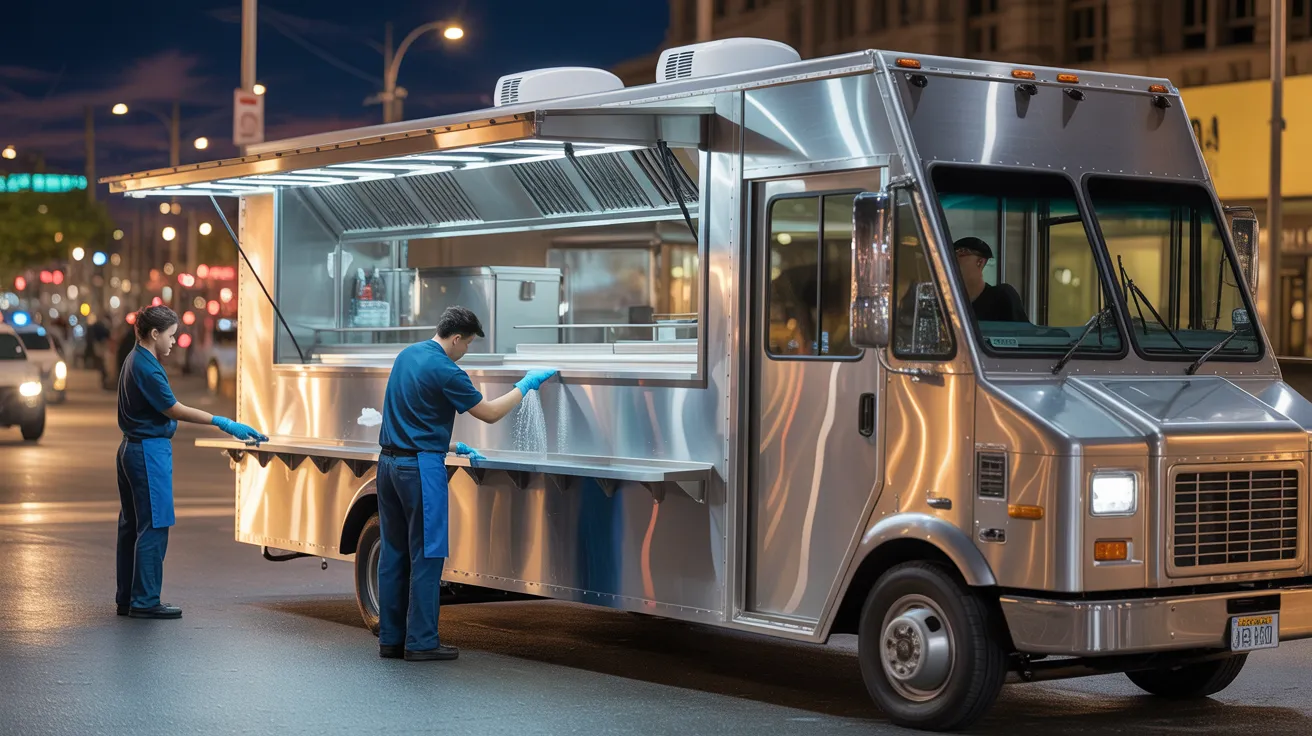
Documented food safety measures remains necessary in warehouses, food manufacturing plants, cold storage sites, retail bakeries, school nutrition programs, banquet halls, and meal delivery hubs. Temporary mobile establishments matter as well, including catering trucks, festival vendors, and pop-up food booths. Your location needs recorded sanitation procedures when your workers work with ingredients, section ready-to-serve foods, heat finished items, or maintain allergen storage. In Brampton, sanitation stays elective; it represents statutory, functional, and public health adherence.
Which Areas Do Brampton Cleaning Experts Cover?
Professional cleaning services specializing in Brampton disinfect high-contact surfaces, food preparation areas, ground surfaces, and sanitary facilities to satisfy food safety standards and health requirements. Focus on these locations occurs because they pose maximum contamination danger, injury hazards, and possible regulatory violations.
Knowing their service areas enables you to validate your operation's sanitation satisfies required standards and regulations.
Critical High-Touch Surface Cleaning
set how frequently each surface is sterilized
confirm proper disinfection
Kitchen Areas, Floor Surfaces, and Bathroom Spaces
Brampton cleaning services focus on kitchens, floors, and restrooms as each zone involves distinct sanitation, slip-and-fall, and public health risks. In industrial kitchens, you need grease removal from cooking stations, appliance surfaces, drain systems, preparation areas, and backsplashes to reduce contamination and pest pressure.
Professional floor care with documentation is also included. is likewise provided as part of the service.
Restroom sanitation involves disinfecting touchpoints, fixtures, partitions, dispensers, and waste containers, restocking supplies and controlling odours. They also maintain restaurant cleaning supply rooms where product storage, sink cleanliness, and drain systems impact daily sanitation standards and worker protection.
Food Safety Cleaning Significance for Brampton Businesses
In Brampton, you must copyright sanitary cleaning practices to meet regulatory standards and pass inspections. You also minimize cross-contamination by cleaning and sanitizing food-contact surfaces, equipment, and high-touch areas correctly. Most importantly, you safeguard public health by lowering the risk of foodborne illness in your facility.
Sanitary Standards Adherence
Because Brampton food companies operate under mandatory safety protocols, food safety cleaning directly determines your ability to meet health code requirements, defend customers, and prevent enforcement action. You must maintain sanitized food contact points, written maintenance records, correct sanitizer application, and verifiable staff procedures that comply with municipal and provincial inspection expectations.
Detailed hygiene logs help you in demonstrating due diligence during compliance reviews and confirming your practices follow uniform patterns that are reproducible and overseen.
Cross-Contamination Prevention
Following regulatory requirements depends on your ability to prevent cross-contamination in routine food work and sanitation. You should isolate raw items from prepared foods, sanitize prep surfaces between tasks, and maintain separation of cleaning products from food. Clear procedures reduce transfer risks and support consistent compliance during inspections.
Building allergen isolation prevents priority allergens from contacting common workstations, storage, or apparatus. Utilize dedicated cutting boards, color-coded tools, and precise instrument labeling so staff don't mix items during preparation or service.Mandate hand cleaning following raw meat, seafood, eggs, or allergen-containing products. Refresh cleaning cloths frequently, and confirm disinfectant efficacy using test strips. When you train staff to follow these controls each shift, you foster a cleaner, more secure operation that exceeds Brampton's safety standards consistently.
Public Wellness Protection
Should cleaning standards break, you don't simply encounter inspection problems—you increase the potential of foodborne illness harming customers, staff, and the wider Brampton population. You also weaken your role in safeguarding community wellness, especially in busy food facilities where pathogens travel quickly through surfaces, equipment, and touchpoints.
You need cleaning protocols that remove soils, disinfect properly, and confirm effectiveness. That means following exposure periods, using approved disinfectants, documenting schedules, and educating employees to meet health-unit expectations. These measures facilitate pathogen reduction by reducing pathogens before they contaminate surfaces or food. In Brampton, strong sanitation protects vulnerable populations, limits outbreak potential, and helps you demonstrate due diligence. When you clean to standard, you exceed basic requirements—you actively reduce risk and support safer food service citywide.
How Can Cleaning Practices Ensure Food Safety Compliance?
Upholding thorough cleaning protocols improves food safety compliance by decreasing contamination threats, controlling pathogen growth, and ensuring your facility complies with sanitation requirements under HACCP-based programs and public health regulations. You ensure that food-handling surfaces remain visibly clean and microbiologically controlled, facilitating documented preventive controls and inspection readiness.
Conscientious cleaning also solidifies allergen prevention by clearing residues that can provoke undeclared allergen exposure. When you match approved sanitation protocols with standards training, your staff can execute consistent approaches, employ approved chemicals accurately, fill out documentation accurately, and respond to deviations before they escalate. Systematic cleaning promotes traceability, establishes corrective actions, and demonstrates commitment in audits. Furthermore, it aids you maintain product quality, preserve operational compliance, and decrease the chances of punitive measures, mass recalls, customer complaints, and unnecessary public health risks.
When Should You Arrange Commercial Cleaning?
food-contact areas, bathrooms, and high-contact areas
handled independently
Finding Quality Brampton Cleaning Experts: A Guide
Screen providers initially by their food-safe sanitation requirements—not budget alone. You need to verify that every company meets CFIA, public health, and HACCP standards for your operation. Demand proof of insurance, WHMIS compliance, training records, and management systems. Evaluate technician knowledge of cross-contamination risks, chemical safety, and documented sanitation practices.
You should also assess business dependability and accountability. Request references from food facilities in Brampton, then examine turnaround periods, corrective actions, and communication standards. Confirm the company participates in supplier audits and can present inspection-ready documentation when regulators or third parties request evidence. Check whether equipment is maintained is performed, color-coded implements are used appropriately, and site-specific hazards are recognized. A competent service protects compliance, product quality, and your brand reputation.
What's included in a Food Safety Cleaning Plan?
Create a documented strategy that clearly outlines every sanitation duty, guideline, and expectation prior to beginning production. You should list cleaning schedules, authorized products, mixing ratios, exposure periods, equipment, and testing procedures for each area, section, and machine. Don't forget to add pre-operational inspections, corrective actions, and employee training requirements.
Your plan should also address contamination prevention controls, waste handling procedures, pest management measures, and written schedules for rest areas, drains, flooring, and food-contact surfaces. Detail how you'll keep raw and ready-to-eat processes separate, support ingredient tracking, and ensure accurate allergen labeling through validated cleaning between product changes. You should set accountability, keep signed records, and review results against regulatory standards, HACCP controls, and customer requirements. When gaps appear, modify procedures immediately and retrain staff.
Commonly Requested Inquiries
Can cleaning services accommodate nighttime operations in Brampton facilities?
If you run regulated facilities, you'll also need records that enable audits and ensure compliance.
Are emergency spill response services available from Brampton cleaning experts?
Yes, you can expect many Brampton cleaning experts to offer hazard containment solutions. They manage hazardous materials, evaluate dangers, isolate affected areas, and begin swift cleanup to minimize risk and operational disruption. You should confirm their response times, training certifications, PPE protocols, and disposal procedures. If your facility must meet health or food safety regulations, choose a provider that records events, maintains regulatory procedures, and enables compliance verification.
Do green disinfectants work safely on food preparation areas?
In essence, natural disinfectants prove safe for food preparation areas provided you buy disinfectants approved for food contact that adhere to regulatory requirements. Check exposure duration, concentration levels, and rinse protocols prior to application. Natural-based solutions lower toxic chemical contact, although you need evidence complete article of effectiveness against relevant pathogens. To preserve surfaces without residue, adhere to exact manufacturer guidelines and confirm the sanitizer meets food sanitation requirements.
Can maintenance plans be customized for seasonal production changes?
Absolutely, maintenance plans allow customization for seasonal variations. Revise schedules, staff levels, sanitizers, and testing procedures to correspond to seasonal patterns while upholding regulatory adherence. Lower operational delays through timing sanitization during production shifts, high demand periods, and operational patterns. Additionally, update procedural documents, staff education, and facility monitoring to address periodic risks, novel allergens, or higher contamination levels. Continuous reviews preserve your program current.
Are professional cleaning companies providing staff training on sanitation best practices?
Yes, commercial cleaners often train your team on hygiene standards. You get staff training on proper chemical use, exposure periods, contamination control, machine breakdown, and record keeping. They generally follow training with HACCP, GMP, and CFIA or local public health regulations. Many also conduct sanitation audits to confirm adherence, identify gaps, and strengthen remedial steps. This helps you sustain uniform processes, succeed in audits, and reduce food safety risks daily.
Summary
By collaborating with Brampton commercial cleaning and food safety professionals, you aren't simply tidying—you keep your operation compliance-focused and your standards in compliance. From kitchens to processing floors, every sanitized surface and organized space decreases contamination and avoids expensive losses. By scheduling cleanings on the right schedule and following a documented cleaning plan, you protect your team, clients, and your standing. In a strictly regulated industry, clean spaces are mandatory—they're essential to successful operations.